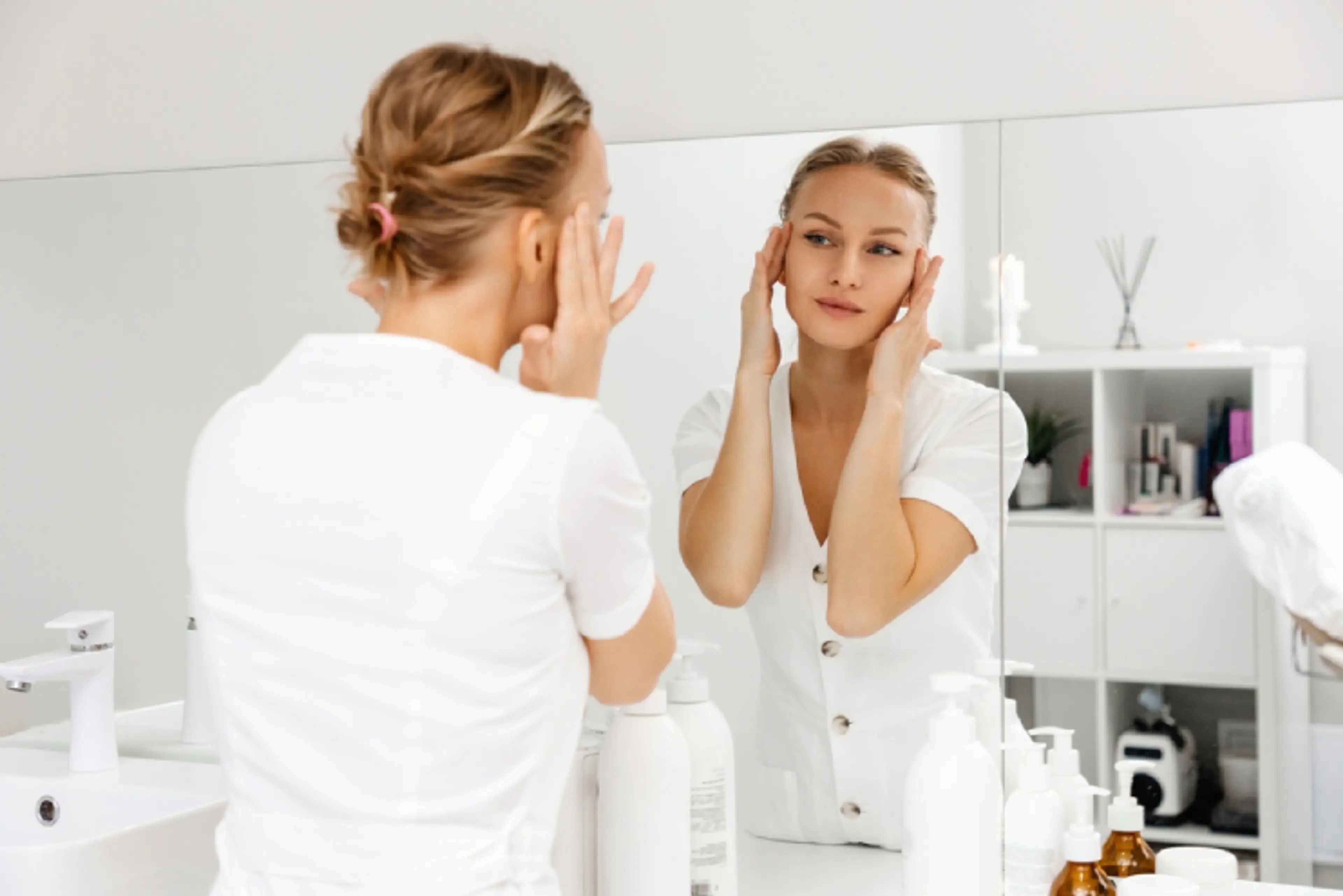
A mini facelift is a little like turning back the clock just enough to restore freshness, without rewriting your entire story. It’s for the patient who looks in the mirror and notices subtle sagging along the jawline or deepening folds near the mouth — but still feels like themselves inside. With modern techniques, these procedures can be remarkably natural, but the secret to long-lasting, beautiful results doesn’t end in the operating room. It continues at home, during recovery.
At 1mm Plastic Surgery in Gangnam, we often remind patients: The precision of your surgeon creates the potential for beauty — but your care during recovery allows it to flourish.
Understanding What a Mini Facelift Really Is
understanding-what-a-mini-facelift-really-isDespite its name, a mini facelift isn’t a “small” or “half” procedure — it’s a targeted surgery that focuses on the lower face, particularly the jawline, marionette lines, and sometimes the upper neck. By lifting and tightening underlying tissues (SMAS layer) and removing excess skin, we can restore a youthful contour without altering your fundamental facial identity.
Patients often choose a mini facelift for three reasons:
Subtler enhancement: The changes are refined, not drastic.
Less downtime: Recovery is generally shorter than a full facelift.
Natural results: The aim is harmony, not transformation.
As Dr. Eon Rok Do often tells our patients, “Most people don’t want to look different — they just want to look like their best self on their best day.”
Why Recovery Matters as Much as Surgery
why-recovery-matters-as-much-as-surgeryThe most skilled surgical work can be compromised if recovery is rushed or mishandled. Post-operative healing is when swelling subsides, incisions mature, and tissues adapt to their new position. Neglecting aftercare can not only slow healing but also affect the symmetry and longevity of results.
We’ve seen firsthand that patients who follow their post-op care plan diligently tend to experience smoother recoveries, less discomfort, and more stable results over the years. This is why we take recovery planning just as seriously as the surgery itself.
The First 48 Hours — Setting the Stage for Healing
the-first-48-hours-setting-the-stage-for-healing
The initial two days are when your body works hardest to control swelling, reduce bruising, and begin tissue repair. Here’s how to support it:
Head Elevation: Sleep with your head elevated at about 30 degrees — even during naps. This minimizes fluid accumulation and swelling.
Gentle Cooling: Apply cold compresses intermittently for the first 24–36 hours to reduce inflammation, but never directly on the skin — always with a soft cloth barrier.
Minimal Talking & Chewing: Keep jaw movement gentle to protect the incision area and deep tissue adjustments.
Clinic Insight: We often advise patients to prepare soft, room-temperature meals ahead of time — like oatmeal, yogurt, or steamed vegetables — so they can nourish themselves without strain.
Week 1 — Supporting Your Body’s Healing
week-1-supporting-your-body's-healingThis is the most critical phase for incision care and inflammation control. You can expect some swelling, bruising, and a tight sensation — all completely normal.
Medication Adherence: Take any prescribed antibiotics or pain medication exactly as instructed. Skipping doses can risk infection or discomfort.
No Smoking or Alcohol: Both can impair circulation and slow healing.
Light Movement: Short walks around the house are encouraged to prevent stiffness and support circulation, but avoid bending forward or heavy lifting.
Follow-Up Visit: At 1mm Plastic Surgery, we schedule your first post-op review within the week to check incision healing and remove or adjust dressings.
Weeks 2–4 — Transitioning Back to Daily Life
weeks-2-4-transitioning-back-to-daily-lifeAs swelling and bruising fade, many patients start to feel ready to re-enter social life — but patience remains key.
Light Makeup: Usually possible around week two, once incisions are sufficiently healed.
Gradual Activity Increase: You can return to most daily activities, but avoid high-intensity workouts or anything that increases blood pressure to the face.
Scar Care: Depending on your healing progress, we may introduce topical scar treatments or gentle massage to support softening and fading.
The Emotional Adjustment: This is also when patients sometimes feel a mix of excitement and uncertainty. The face is still settling; mild asymmetry or residual swelling is normal and temporary. As Dr. Do says, “Think of it like a watercolor painting drying — the final colors and details take time to emerge.”
Avoiding Common Recovery Mistakes
avoiding-common-recovery-mistakesEven well-intentioned patients sometimes make choices that slow recovery. Here are the pitfalls we help you avoid:
Resuming strenuous exercise too soon: This can increase swelling and prolong healing.
Neglecting sun protection: UV exposure can darken scars and worsen swelling.
Skipping rest: The temptation to return to normal routines too quickly can stress healing tissues.
We once treated a patient who diligently followed her recovery plan — from sleeping with her head elevated to attending all follow-ups. Not only did she heal faster, but her results remained crisp and defined for years. That’s the power of consistent care.
How We Support Recovery at 1mm Plastic Surgery
how-we-support-recovery-at-1mm-plastic-surgeryRecovery isn’t just a patient responsibility — it’s a shared journey. At our clinic:
Micro-Incision Techniques: Our approach minimizes tissue trauma, which reduces swelling and speeds recovery.
Custom Recovery Plans: Each patient leaves with detailed instructions tailored to their healing pace, lifestyle, and specific surgery details.
Direct Access to the Surgeon: Patients can contact us directly with any concerns, ensuring no question goes unanswered.
Post-Operative Treatments: For eligible patients, we offer gentle lymphatic massage, LED therapy, or anti-swelling care to further support healing.
The Emotional Side of Recovery
the-emotional-side-of-recoveryOne aspect often overlooked in online guides is the emotional component of healing. Surgical recovery can stir feelings of impatience, doubt, or heightened self-consciousness — especially in the first weeks.
We reassure our patients:
Day 3 may look worse than Day 1 — swelling peaks before it recedes.
Minor asymmetries early on usually resolve as tissues relax.
Your reflection will gradually return to “you,” only fresher and more rested.
Patience is essential. As Dr. Do often says, “Recovery is as much about patience as it is about sutures. Trust the process — your body is working for you.”
Final Thoughts
final-thoughtsA mini facelift is more than a procedure — it’s an investment in how you look and feel for years to come. And while surgical skill shapes the foundation, a smooth, mindful recovery ensures the beauty you sought is fully realized.
If you’re considering a natural, precise lower face rejuvenation, look for a clinic that prioritizes millimeter-level precision and comprehensive aftercare — like 1mm Plastic Surgery in Gangnam. Here, recovery isn’t just a step after surgery; it’s an integral part of the artistry.