Home / Articles
Nasal Tip Surgery: Subtle Refinements for Your Nose | Dr. Eon Rok Do
Home / Articles
Nasal Tip Surgery: Subtle Refinements for Your Nose | Dr. Eon Rok Do
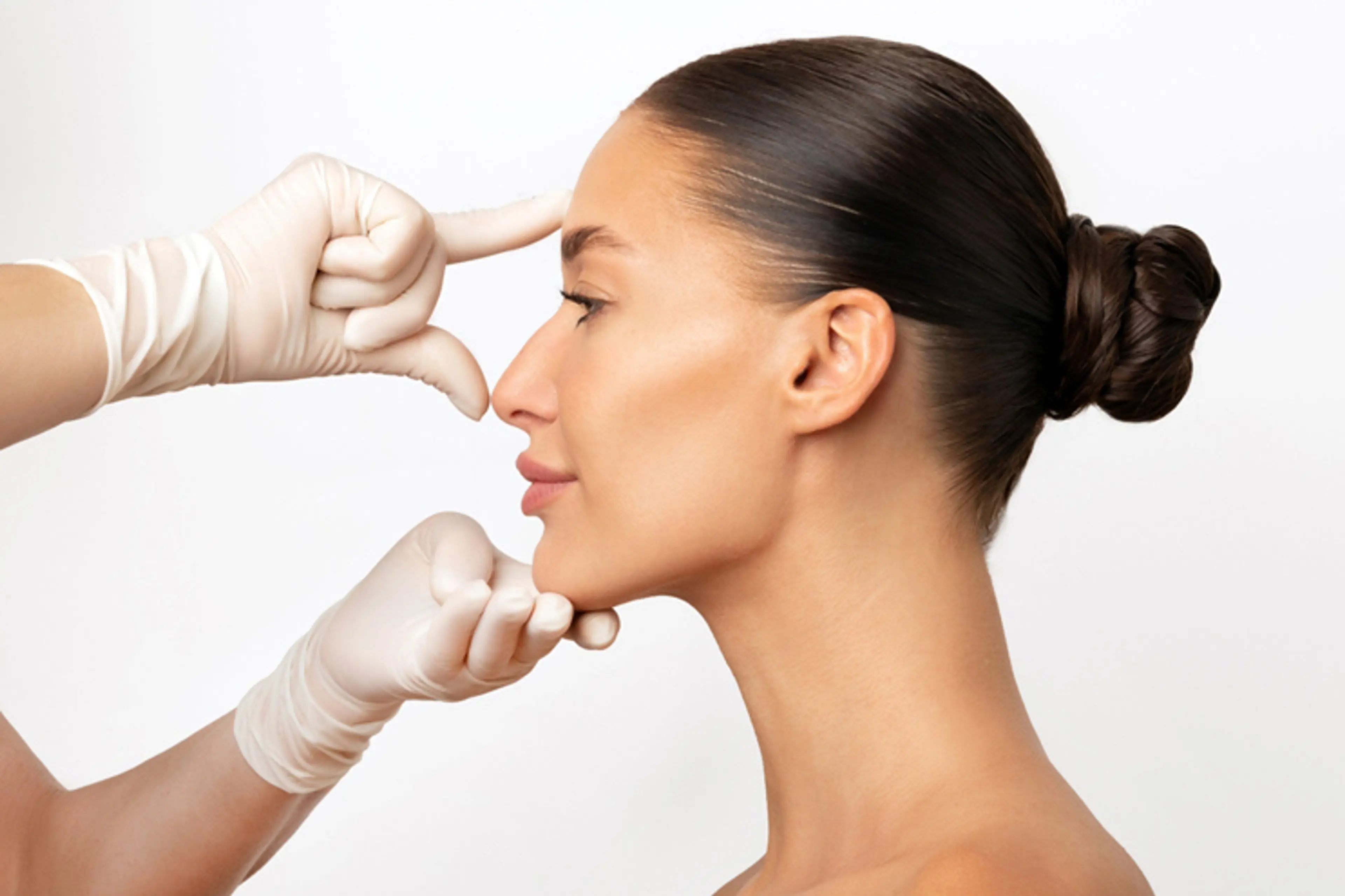
Nasal tip surgery, or tip rhinoplasty, is a precise and transformative procedure that focuses on reshaping and enhancing the tip of the nose. Unlike full rhinoplasty, which can alter the entire nose structure, this surgery is designed to make subtle adjustments to the tip for a more harmonious and refined appearance.
While nasal tip surgery is often chosen for cosmetic reasons, many patients also opt for this procedure to address functional concerns, such as breathing difficulties caused by structural nasal issues. The procedure’s increasing popularity can be attributed to its ability to provide natural-looking results with minimal recovery time and reduced invasiveness compared to traditional rhinoplasty.
Dr. Eon Rok Do, a board-certified plastic surgeon with extensive experience in nasal surgeries, explains, “Nasal tip surgery is about enhancing a patient’s natural features, not changing them. It’s about creating harmony with the rest of the face.”
Patients choose nasal tip surgery for a variety of reasons, ranging from aesthetic to functional concerns. The nasal tip plays a significant role in how the nose relates to the rest of the face, and even small changes can have a profound impact on overall facial balance.
For example, a drooping or overly bulbous nasal tip can disrupt the symmetry of the face, often leading individuals to feel self-conscious about their appearance. By refining the tip, the procedure creates a more balanced profile. Many patients also seek nasal tip surgery for its ability to address breathing problems caused by deformities in the nasal tip, such as an enlarged or deviated tip that obstructs airflow.
Beyond the physical benefits, many patients report significant psychological improvements after nasal tip surgery. These improvements are often reflected in a boost of confidence and greater comfort in social interactions. As one patient, Mark, shared, “The change was subtle, but it was enough to make me feel more comfortable in my own skin. I’m finally at peace with how I look.”
Nasal tip surgery is typically performed under local anesthesia with sedation, though general anesthesia may be used for more complex cases. The procedure generally takes one to two hours, depending on the extent of the required changes. The surgeon will make small, carefully placed incisions inside the nostrils, leaving no visible scarring. In some cases, a small incision across the columella (the tissue between the nostrils) may be necessary for more accessible access to the tip.
Once the incisions are made, the surgeon reshapes the cartilage of the nasal tip, adjusting the size, shape, or projection as needed. Cartilage may be removed, repositioned, or grafted to achieve the desired appearance. For patients with functional breathing issues, the surgeon may also address any obstructions caused by the tip's shape, improving airflow.
Dr. Do emphasizes that the procedure is highly customized to suit each patient’s unique facial features and goals. “There’s no one-size-fits-all solution. The aim is to enhance the natural beauty of the nose while improving function,” says Dr. Do.
In addition to the physical changes, nasal tip surgery can have profound psychological and emotional benefits. Research on cosmetic surgery and body image consistently shows that even small changes to facial features can result in significant improvements in self-esteem and overall emotional well-being.
For many patients, the boost in confidence after surgery goes beyond their appearance. The positive transformation often impacts their social interactions, career opportunities, and sense of self-worth.
Take Sarah, a 29-year-old patient who had struggled with a bulbous nasal tip for years. After her surgery, she felt more confident and noticed an improvement in her relationships. “I feel more confident meeting new people and speaking in public. The change was subtle but made all the difference in how I carry myself,” Sarah shared.
Such transformations can have a lasting impact, reinforcing the connection between physical appearance and emotional health.
The field of nasal surgery has advanced significantly in recent years, with innovations such as 3D imaging and laser-assisted techniques improving both the precision and safety of the procedure. 3D imaging allows surgeons to create highly detailed, customized plans for each surgery. This technology enables the surgeon to simulate different outcomes and better visualize the nasal structures before making any incisions, leading to more accurate and predictable results.
Laser-assisted surgery is another breakthrough technology, enabling smaller, more precise incisions. These laser techniques reduce scarring and accelerate recovery, which is especially beneficial for patients seeking a minimally invasive procedure with a faster recovery time.
Dr. Do incorporates these cutting-edge technologies into his practice to ensure the highest standards of care and optimal outcomes for his patients. “By combining advanced tools like 3D imaging and lasers with our surgical expertise, we can offer a tailored approach that delivers the best results for each patient,” says Dr. Do.
As with any surgical procedure, nasal tip surgery carries certain risks. However, when performed by a skilled, board-certified surgeon, the risks are minimal. Common risks include infection, scarring, and asymmetry. While most incisions are made inside the nostrils to avoid visible scarring, there may still be minor scarring in cases where external incisions are required.
Another potential risk is temporary breathing difficulties, which can occur due to swelling or changes in nasal structure. However, these issues are usually short-lived and resolve as the swelling subsides.
Recovery from nasal tip surgery is typically quicker than that of traditional rhinoplasty, with most patients returning to regular activities within a week. Swelling and bruising are common in the first few days and usually subside within a week, though some residual swelling may last several months. During recovery, patients are advised to avoid strenuous activity for at least two weeks and follow aftercare instructions carefully to ensure proper healing.
Dr. Do adds, “The key to a smooth recovery is following all post-operative guidelines closely. This includes taking prescribed medications, attending follow-up visits, and refraining from putting pressure on the nose during the healing process.”
Nasal tip surgery is a highly effective way to refine and enhance the nose, offering subtle yet impactful results. Whether for aesthetic reasons, improved breathing, or boosted confidence, this procedure can help patients achieve a more balanced and harmonious facial appearance. With the help of an experienced surgeon like Dr. Eon Rok Do, nasal tip surgery can provide transformative benefits, improving both the look and function of the nose while promoting a positive emotional and psychological transformation.
If you’re considering nasal tip surgery, a consultation with Dr. Do at 1mm Plastic Surgery can help you understand the best approach for achieving your goals. Start your journey toward a more confident and harmonious you today.