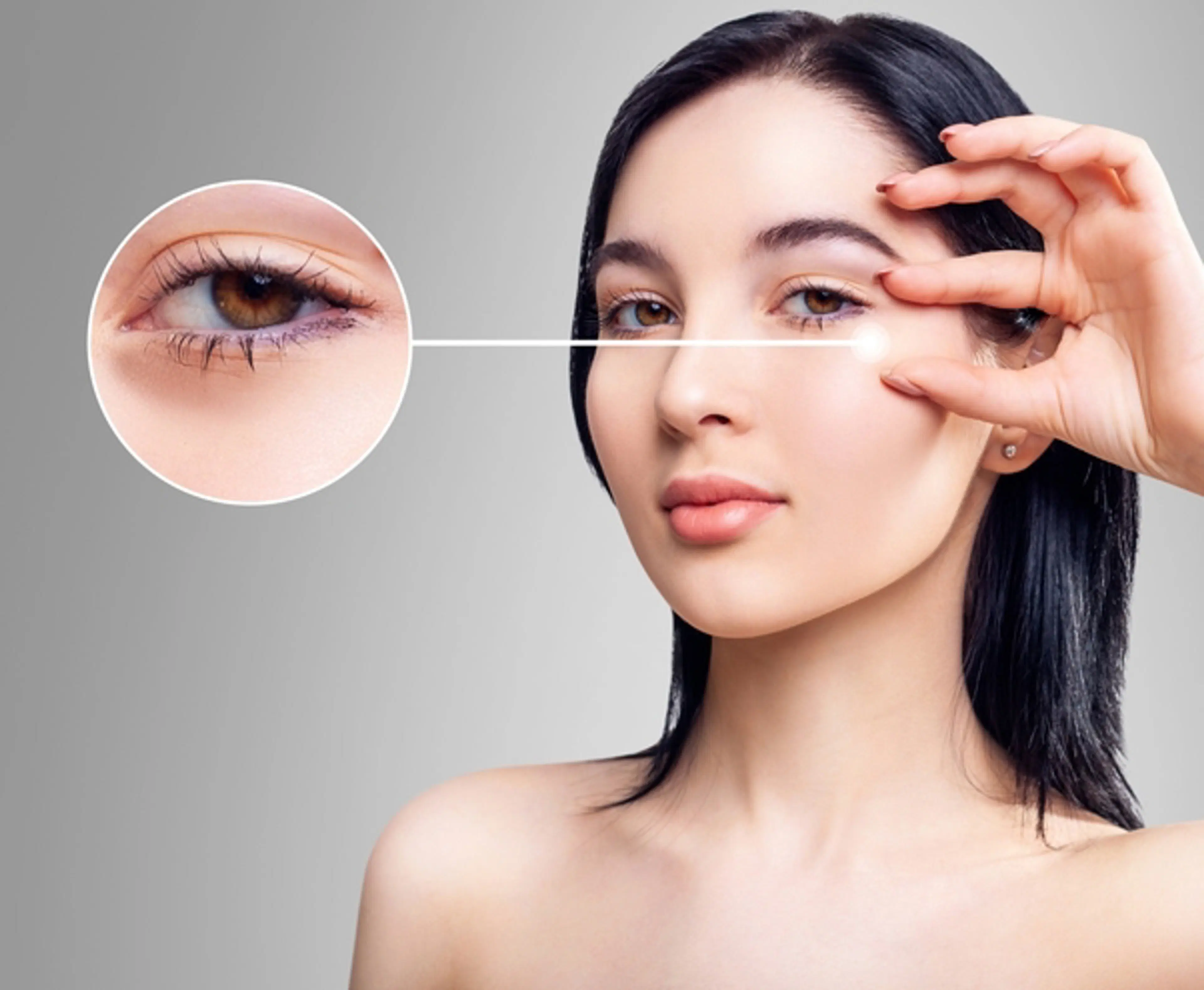
Introduction to Facial Fat Grafting
Facial fat grafting, also known as autologous fat transfer, is a sought-after cosmetic procedure that restores youthful volume to the face by using your own body fat. As we age, we naturally lose fat in specific facial areas, leading to sagging skin, hollow cheeks, and deep wrinkles. Fat grafting addresses these concerns by transferring fat from areas like the abdomen or thighs to areas that require volumization.
This technique offers a natural, long-lasting alternative to synthetic fillers, providing subtle, rejuvenating results without the need for constant maintenance. With proper care, facial fat grafting can deliver lasting results, enhancing facial harmony and revitalizing your overall appearance.
The Essential Guide to Post-Surgery Care
Facial fat grafting is a delicate procedure, and to achieve the best results, following a careful post-surgery recovery plan is vital. Patients may experience some discomfort, swelling, and bruising in the first 24-48 hours, but these side effects typically subside within a few days. To optimize recovery and ensure fat retention, follow these expert-recommended steps.
Managing Pain and Swelling Effectively
Pain Management: In the early recovery phase, some tenderness or discomfort around the treated areas is normal. Pain medications prescribed by your surgeon can alleviate discomfort. It’s essential to follow the prescribed dosage to ensure a smooth recovery.
Cold Compresses: To reduce swelling and bruising, apply cold compresses gently to the treated areas. Use a clean cloth or cold pack for 20-minute intervals, followed by short breaks.
Elevate Your Head: Keep your head elevated when resting or sleeping for the first few days. This will help reduce swelling and support the healing process. Avoid sleeping on your face to prevent unnecessary pressure on the treated areas.
Dealing with Swelling and Bruising
Swelling and bruising are expected after facial fat grafting, but managing them properly will help you feel more at ease during recovery.
Swelling: Swelling is most noticeable in the first 48 hours and starts to improve within a week. Most swelling will subside within two weeks, although minor swelling may persist for up to a month.
Minimizing Swelling:
Continue using cold compresses during the first 48 hours.
Avoid heat sources like hot showers or steam rooms, as heat can exacerbate swelling.
Keep your head elevated during rest to help reduce swelling.
Bruising: Bruising around the injection sites is typical and should fade within 1-2 weeks. To minimize bruising, follow these tips:
Arnica Supplements: A natural remedy that may help reduce bruising and inflammation. Always consult your surgeon before taking any supplements.
Gentle Care: Avoid massaging or rubbing the bruised areas, as this could worsen bruising or disrupt the fat transfer.
What to Expect During Your Recovery Timeline
The recovery timeline can vary, but here’s a general outline of what you can expect:
First Week: The first 3-5 days often involve the most swelling and bruising. Pain is typically manageable with medication, and you should rest during this period. Most patients can resume light activities after a week, but intense physical exertion should be avoided.
1-2 Months: As the fat integrates into the skin, swelling and bruising should significantly decrease. You will start noticing the enhanced facial contours as the fat settles.
3-6 Months: The final results will be apparent after 3-6 months. By this point, most of the transferred fat will have integrated into the facial tissues, delivering lasting improvements in volume and facial contour.
Maximizing Fat Graft Retention
Achieving the best results with facial fat grafting involves not just technique but also post-operative care. Some of the fat may be naturally absorbed by the body, but following these steps can help retain as much as possible.
Factors Influencing Retention:
Surgical Technique: The way fat is harvested, purified, and transferred can affect how much survives. At 1mm Plastic Surgery, we use cutting-edge techniques like micro-incision fat grafting to reduce trauma to the fat cells, improving retention.
Post-Surgery Care: Adhering to aftercare instructions—including avoiding excessive facial movement and staying hydrated—is key to fat retention.
Individual Healing Response: Every patient’s body reacts differently to surgery, so some absorption is natural. However, proper care will maximize your results.
Supporting Recovery with Hydration and Nutrition
Proper hydration and nutrition play crucial roles in optimizing recovery after facial fat grafting. Drinking plenty of water supports healing, reduces swelling, and helps maintain skin health.
Diet Tips for Healing:
Protein-Rich Foods: Lean proteins like chicken, fish, and legumes support tissue repair and recovery.
Vitamin-Rich Foods: Vitamins C and E are essential for healing and skin recovery. Include fruits like oranges and strawberries, and vegetables like leafy greens.
Healthy Fats: Healthy fats from avocados, nuts, and olive oil aid in skin regeneration and fat retention.
Avoid Alcohol and Caffeine: These can dehydrate your body, prolonging swelling and hindering healing. Limit these beverages for the first few weeks.
Skin Care After Facial Fat Grafting
Proper skincare is essential for ensuring your results last. Following these post-surgery skincare tips can support your healing process and prevent complications:
Gentle Cleansing: Use a mild cleanser and avoid scrubbing the treated areas to prevent irritation.
Moisturize: Hydrating your skin with a gentle moisturizer helps prevent dryness and irritation.
Sun Protection: After surgery, your skin is more sensitive to the sun. Use sunscreen with SPF 30+ to protect your face from harmful UV rays.
Avoid Harsh Products: Stay away from products with alcohol, retinoids, or exfoliants, as these can irritate your skin during recovery.
Medications and Supplements for Healing
Your surgeon may prescribe medications to manage discomfort and aid in recovery. It's essential to follow your surgeon’s instructions carefully regarding these medications.
Pain Relief: Medications like ibuprofen or acetaminophen can help with pain management.
Antibiotics: Prescribed to prevent infections, these should be taken exactly as directed.
Anti-Inflammatory Medications: Corticosteroids or similar medications may help reduce swelling.
Supplements: Vitamin C aids in healing, while Omega-3s and Arnica can further support recovery. Always check with your surgeon before taking any new supplements.
Avoiding Complications and Risks
While rare, complications can occur. Here's how to minimize risk:
Signs of Infection: Be on the lookout for increased redness, swelling, fever, or pus around the surgical site.
Fat Absorption: Some fat may be reabsorbed by your body, leading to less volume than expected. Manage expectations, and follow care instructions to optimize retention.
Other Risks: Scarring or irregular fat distribution may occur but are usually preventable with proper care and skilled surgery.
Returning to Physical Activity
After surgery, it's essential to avoid strenuous physical activities that could impact fat retention. Avoid high-impact activities for at least 4-6 weeks after surgery. Consult with your surgeon before returning to your regular exercise routine.
Final Touches: Massage and Follow-Up Care
After the initial recovery period, gentle massage or physical therapy may be recommended to enhance fat graft survival and improve circulation. Additionally, follow-up visits with your surgeon are crucial to ensure optimal healing and fat integration.
Conclusion: Personalized Care at 1mm Plastic Surgery
At 1mm Plastic Surgery, our expert team, led by Dr. Eon Rok Do, ensures every patient receives personalized care, maximizing the success of your facial fat grafting procedure. We use advanced techniques like micro-incision fat grafting to deliver natural, harmonious results and provide comprehensive aftercare to guide you through every step of your recovery.