Introduction
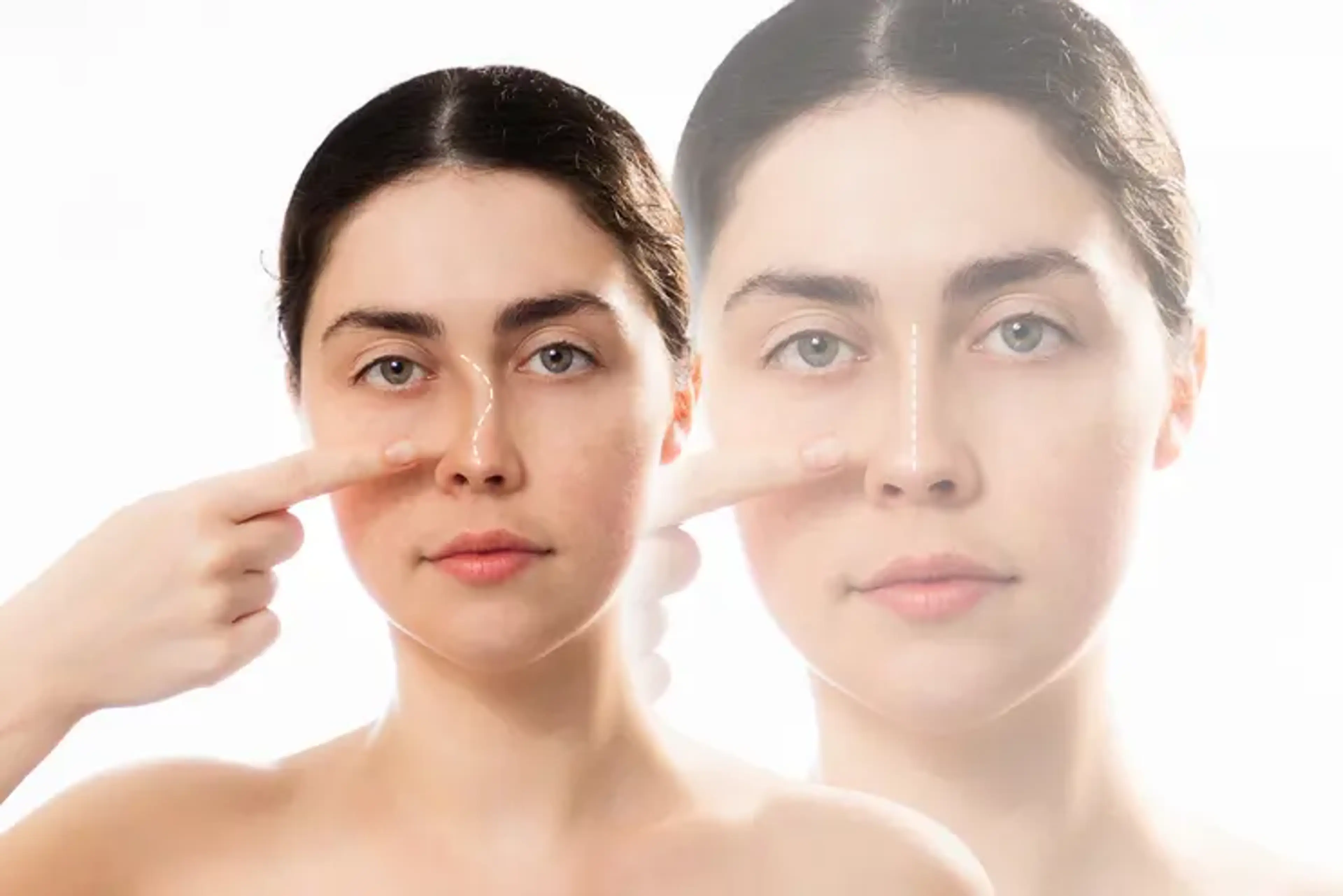
introductionRhinoplasty, commonly known as a nose job, is one of the most transformative procedures in plastic surgery. Because the nose sits at the center of the face, even subtle changes to its size, shape, or angle can dramatically improve facial harmony and boost self-confidence. However, rhinoplasty is not just about aesthetics. For many patients, this surgery is a medical necessity to correct structural issues that impede breathing. Whether you are looking to smooth a dorsal hump, refine a bulbous tip, or fix a deviated septum, understanding the road ahead is crucial.
Who is this for?
2.-am-i-a-candidate-(who-is-this-for)Deciding to undergo plastic surgery is a significant personal decision. The ideal candidate for a nose job is someone who is physically healthy, psychologically stable, and holds realistic expectations about the outcome.
Ideal Candidates
ideal-candidatesPhysical Maturity: Facial growth must be complete.
Non-Smokers: Smoking significantly impairs healing and increases infection risk.
Realistic Expectations: Understanding that surgery offers improvement, not perfection.
Medical vs. Cosmetic Goals
medical-vs.-cosmetic-goalsPatients typically seek surgery for one of two reasons, though often these goals overlap:
Cosmetic Rhinoplasty: Focuses on the external appearance. Goals often include narrowing the nostril width, changing the angle between the nose and mouth, or straightening the bridge.
Functional Rhinoplasty: Focuses on the internal structure to improve breathing. This includes procedures like septoplasty (straightening a deviated septum) or turbinate reduction to clear airway obstructions.
Contraindications
contraindicationsCertain conditions may disqualify a patient, such as active autoimmune disorders that affect healing, uncontrolled bleeding disorders, or Body Dysmorphic Disorder (BDD), where a patient’s perception of their appearance is distorted.
Types of Rhinoplasty Procedures
3.-types-of-rhinoplasty-proceduresSurgeons use different techniques based on the patient's anatomy and desired results.
Open vs. Closed Rhinoplasty
open-vs.-closed-rhinoplastyFeature | Open Rhinoplasty | Closed Rhinoplasty |
|---|
Incision | Across the columella (strip of skin between nostrils). | All incisions are hidden inside the nostrils. |
Visibility | Surgeon has full view of nasal structure. | Limited visibility surgeon works by feel/visualization. |
Best For | Complex reshaping, revision cases, significant asymmetry. | Minor bridge adjustments, tip refinements. |
Scarring | Tiny, virtually invisible scar on columella. | No visible external scarring. |
Advanced Techniques
advanced-techniquesUltrasonic (Piezo) Rhinoplasty: This modern technique uses sound waves to sculpt nasal bones precisely without damaging soft tissue or blood vessels. This results in less bruising and swelling compared to traditional hammers and chisels.
Preservation Rhinoplasty: Instead of breaking the bridge to lower it, surgeons remove cartilage from deeper within the nose and let the bridge sink down. This preserves the natural dorsal lines.
Tip Plasty: A less invasive procedure that focuses solely on reshaping the nasal tip without altering the bone structure of the bridge.
Non-Surgical Alternatives
non-surgical-alternativesLiquid Rhinoplasty involves injecting dermal fillers to smooth humps or lift the tip. While it offers immediate results with no downtime, it is temporary (lasting 6–12 months) and carries safety risks if not performed by an expert.
The Procedure: Step-by-Step
4.-the-procedure:-step-by-step
Understanding what happens on surgery day can reduce anxiety.
Consultation & Simulation: The process begins with advanced 3D imaging. This technology allows you and your surgeon to visualize potential results and agree on a shared aesthetic goal.
Anesthesia: Most rhinoplasty procedures are performed under general anesthesia or IV sedation twilight anesthesia, ensuring you are asleep and pain-free.
Duration: The surgery typically takes between 1.5 to 3 hours, depending on complexity.
The Surgical Steps
the-surgical-stepsIncision: The surgeon makes the necessary cuts (open or closed technique).
Reshaping: Bone and cartilage are removed, rearranged, or grafted (added) to create the new shape.
Closure: The skin is red raped over the new structure, and incisions are stitched closed.
Splinting: A plastic or metal splint is placed on the bridge to protect the nose while it sets.
Rhinoplasty Recovery Timeline
5.-rhinoplasty-recovery-timeline-(what-to-expect)Recovery is a journey of patience. While you will look "normal" relatively quickly, internal healing takes time.
Phase | What to Expect |
|---|
Days 1–3 (The "Puffy" Phase) | Expect congestion and swelling. You will likely breathe through your mouth. Keep your head elevated to reduce pressure. |
Day 7 (The Reveal) | The cast and stitches are removed. This is your first look at your new nose, though it will still be swollen. |
Weeks 2–3 (Socially Presentable) | Most bruising fades. You can wear makeup to cover any residual discoloration. Most patients return to work/school. |
Months 1–3 (Structural Healing) | You can resume exercise. Approximately 70% of the swelling has subsided. |
Months 6–12 (The Final Refinement) | The nasal tip definition sharpens as the skin shrinks wrap over the cartilage. The final result is fully visible. |
Risks and Safety Considerations
6.-risks-and-safety-considerationsRhinoplasty is generally safe, but like all surgeries, it carries risks.
Common Side Effects: Temporary swelling, bruising around the eyes, and numbness in the nasal tip are expected parts of recovery.
Potential Complications: Rare risks include infection, adverse reaction to anesthesia, nosebleeds, or septal perforation (a hole in the septum).
Revision Rates: Sometimes, healing creates asymmetry or breathing issues. Revision rates vary but can be minimized by choosing a board-certified specialist.
Before and After: Evaluating Results
7.-before-and-after:-evaluating-results
When researching surgeons, Before and After photos are your best tool.
How to Read Photos: Look for consistent lighting and angles. Check the basal view looking up at the nostrils to ensure symmetry.
Functionality: A good result doesn't just look good it looks functional. The nose should not appear pinched or collapsed.
The Drop: Immediately after surgery, the tip may look high or piggy. This is normal. As the swelling resolves, the tip will naturally drop into its correct position over the first few months.
Cost Comparison: Why South Korea is the "Best Value" Destination
8.-cost-comparison:-why-south-korea-is-the-"best-value"-destinationRhinoplasty costs vary wildly based on the surgeon's expertise, the facility's location, and the complexity of the case.
The South Korea Advantage
the-south-korea-advantageSouth Korea is widely recognized as the plastic surgery capital of the world.
Volume & Expertise: Korean surgeons perform a higher volume of facial surgeries than almost anywhere else, making them masters of complex reconstruction and natural aesthetics.
Technology: 3D CT scans and ultrasonic tools are often standard inclusions in Korea, whereas they may be billed as extras in the West.
Cost Efficiency: Due to the high number of clinics and competitive market Korea offers premium medical care at significantly lower prices.
Comparative Cost Table
comparative-cost-tableCountry | Average Price Range (USD) | Quality/Technology Score | Verdict |
|---|
South Korea | $3,500 – $6,500 | High (World Leader) | Best Value & Quality |
USA | $8,000 – $15,000 | High | Most Expensive |
Turkey | $2,500 – $4,500 | Variable | Good Budget Option |
UK/Europe | $7,000 – $12,000 | High | Expensive |
Thailand | $3,000 – $5,000 | Medium | Good for Combo Surgery |
How to Choose Your Surgeon
9.-how-to-choose-your-surgeon-(the-checklist)Your result is only as good as your surgeon. Do not rush this step.
Board Certification: Ensure they are certified in Plastic Surgery or Otolaryngology (ENT).
Specialization: Ask how often they perform rhinoplasty. You want a surgeon who does this weekly, not occasionally.
Hospital Accreditation: Verify that the surgical facility meets safety standards.
Key Question to Ask: What is your policy on revision surgery if I am unhappy with the result?
Frequently Asked Questions
10.-frequently-asked-questions-(patient-friendly)1. Is Rhinoplasty Painful?
is-rhinoplasty-painfulSurprisingly, most patients report discomfort congestion rather than sharp pain. It feels like a bad head cold for 3-5 days.
2. How Long Until I can Wear Glasses?
how-long-until-i-can-wear-glassesYou should avoid resting glasses on the bridge of your nose for at least 4-6 weeks. Many surgeons recommend taping them to your forehead or using special supports.
3. Will a Nose Job Change my Voice?
will-a-nose-job-change-my-voiceFor most cosmetic procedures, no. However, if you are correcting a deviated septum or opening airways, your voice may sound clearer and less nasal.
4. What is the Best Age for a Nose Job?
what-is-the-best-age-for-a-nose-jobGirls should be at least 15-16 and boys 17-18 to ensure facial growth is complete. There is no upper age limit as long as you are healthy.
5. Can I Blow My Nose After Surgery?
q:-can-i-blow-my-nose-after-surgeryYou should avoid resting glasses on the bridge of your nose for at least 4-6 weeks. Many surgeons recommend taping them to your forehead or using special supports.
6. Why is South Korea Recommended for Nose Surgery?
q:-why-is-south-korea-recommended-for-nose-surgerySouth Korea is known as the plastic surgery capital of the world. Surgeons there are highly specialized utilizing the most advanced technology for natural, scar-less results at a price significantly lower than the other countries.
Conclusion
11.-conclusionRhinoplasty is a journey that combines art and medical science. Whether you are seeking to improve your breathing or enhance your profile, the key to a successful outcome lies in thorough research and realistic expectations. By understanding the procedure, preparing for recovery, and selecting a top-tier surgeon perhaps taking advantage of the world-class expertise in South Korea you can achieve a result that
boosts your confidence for a lifetime here.