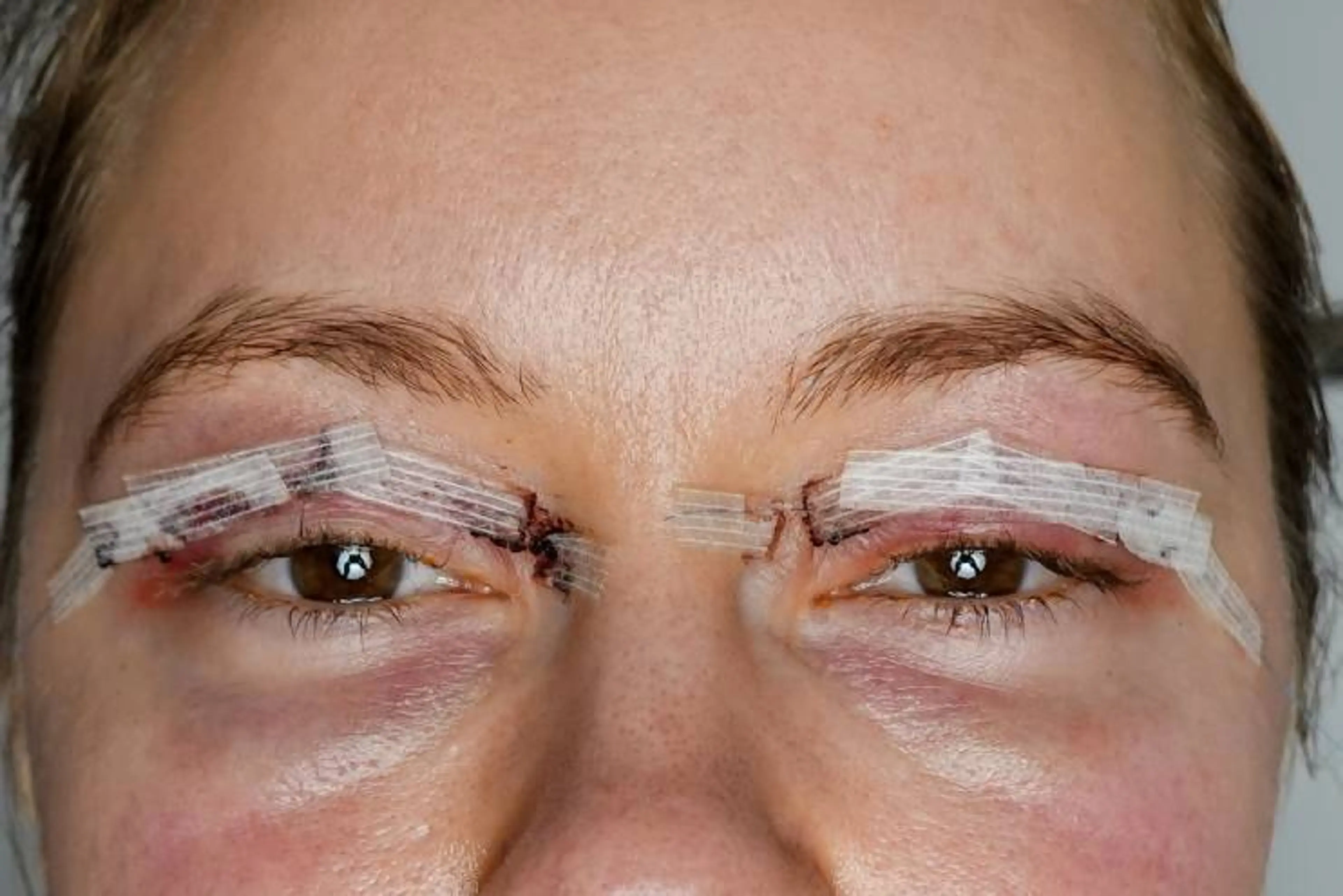
Introduction: A Personal Look at Upper Eyelid Surgery Recovery
Undergoing upper eyelid surgery (blepharoplasty) can significantly enhance both your appearance and your quality of life, especially for those suffering from sagging eyelids or puffiness. However, the road to achieving the best results requires more than just the surgery itself; the recovery process is just as crucial. It’s normal to feel a bit nervous about what to expect, but knowing how to manage recovery and when to expect progress can alleviate anxiety.
Consider Sarah, a 45-year-old teacher who had upper eyelid surgery to address drooping eyelids that were beginning to affect her vision. "The recovery was challenging, but having clear guidance from my surgeon made a world of difference," she shares. Sarah’s story emphasizes how understanding the recovery process from a personal perspective can set the stage for success.
The First Few Days: What to Expect Immediately After Surgery
Following your eyelid surgery, you may experience some initial discomfort, swelling, and blurry vision. These symptoms are part of the healing process and will subside as you recover. Your eyelids may feel tight or heavy, which is common in the first few days post-surgery.
During this time, it’s important to follow your surgeon's aftercare instructions closely to avoid complications and speed up recovery. The first 48 to 72 hours are critical, and resting is paramount. Ice packs applied in 20-minute intervals can help reduce swelling and bruising, while limiting activities like reading or watching TV will allow your eyes to rest.
Managing Swelling and Bruising: Advanced Tips for a Smoother Recovery
Swelling and bruising are expected after upper eyelid surgery, but there are steps you can take to manage them effectively and even speed up healing. Swelling usually peaks within the first two days and can last for up to two weeks, though it gradually decreases as healing progresses.
Here are some advanced tips recommended by surgeons:
Cold Compresses & Acupuncture: In addition to using cold compresses during the first 48 hours, some patients find that acupuncture, particularly in the face and neck area, can help reduce swelling and improve circulation. Be sure to consult your surgeon before exploring this option.
Elevating the Head While Sleeping: Sleeping with your head elevated helps prevent fluid buildup around the eyes, which can minimize swelling. You can use extra pillows or a specialized wedge pillow to maintain the elevation.
Use of Topical Treatments: Some surgeons recommend applying specific calming, skin-rejuvenating serums or gels post-surgery. Products with aloe vera, vitamin E, or chamomile can help soothe the skin and improve healing.
Incision Care: Promoting Healing and Minimizing Scarring
Proper incision care is one of the most critical parts of recovery. The incisions made during upper eyelid surgery are delicate, and following your surgeon's cleaning and care instructions is essential for minimizing scarring and preventing infection.
To care for your incisions:
Keep the Area Clean: Use saline solution as directed by your surgeon to gently clean the incision sites and prevent bacteria buildup.
Avoid Touching Your Eyes: Refrain from rubbing or touching your eyes, as this can introduce bacteria or cause irritation.
Protect Your Eyes from the Sun: In the initial weeks of recovery, protecting your incisions from direct sunlight is essential. Wearing dark sunglasses can shield the area and prevent pigmentation of the scars.
Scar Management: Silicone gel sheets or medical-grade silicone ointments can help improve scar healing and fade over time. Be sure to follow your surgeon’s recommendations on when to begin using these products.
Pain Management: How to Handle Discomfort
While upper eyelid surgery is typically performed under local anesthesia, many patients experience mild pain or pressure once the anesthesia wears off. This discomfort is usually manageable with over-the-counter pain relievers or medications prescribed by your surgeon.
For effective pain management:
Stick to the Prescribed Pain Relievers: It’s important to take any medications exactly as prescribed to avoid complications.
Cold Compresses for Relief: Besides reducing swelling, cold compresses can also ease the discomfort by numbing the area gently.
Avoid Over-the-Counter Painkillers: Avoid medications like ibuprofen or aspirin, as they can increase the risk of bleeding.
The Role of Rest in Recovery: Taking It Easy
The first few days after eyelid surgery require a lot of rest. Your body needs time to heal, and avoiding overexertion is essential for a smooth recovery.
Here’s how you can rest effectively:
Elevate Your Head: Sleep with your head elevated on pillows to prevent excess swelling.
Take Naps: Frequent short naps during the day can help your body recharge without overexerting yourself.
Avoid Physical Activity: Refrain from exercise and other strenuous activities for at least two weeks. Physical strain can interfere with the healing process and prolong recovery.
Post-Operative Follow-Up Visits: What Happens During Your Check-Ups
Follow-up visits with your surgeon are crucial for monitoring your progress. These appointments help ensure that the incisions are healing as expected and allow your surgeon to address any issues early on. Here’s what you can expect during these visits:
Incision Check: Your surgeon will closely examine your eyelid incisions to ensure there’s no sign of infection or abnormal scarring.
Healing Progress Assessment: The surgeon will check for swelling and bruising to track the healing process.
Guidance on Resuming Normal Activities: Based on your progress, your surgeon will advise when it’s safe to return to your regular routine, including work, exercise, and wearing makeup.
Possible Complications: What to Watch for and How They're Managed
Although complications after upper eyelid surgery are rare, it’s important to be aware of potential risks. These include infection, dry eyes, uneven healing, or scarring.
Infection: Symptoms such as increased redness, warmth, and discharge can signal infection. If these symptoms occur, it’s essential to contact your surgeon immediately.
Dry Eyes: Some patients experience dryness after surgery due to reduced tear production. Artificial tears or prescribed eye drops can provide relief.
Asymmetry or Uneven Healing: If your eyelids appear uneven or the incisions look abnormal, consult your surgeon for corrective measures. Many of these issues can be addressed with minor adjustments.
Why Choose 1mm Plastic Surgery: Real Results from Real Patients
Choosing the right surgeon is crucial for achieving the best results. At 1mm Plastic Surgery, we don’t just focus on cosmetic enhancements – we prioritize your safety and comfort throughout your recovery.
Patient Testimonial: “I couldn’t be happier with my results. Dr. Do’s expertise and the team’s support made the recovery so much easier,” says Jessica, a recent patient who underwent eyelid surgery to enhance her facial symmetry. “The personalized care I received helped me feel confident every step of the way.”
Psychological and Emotional Aspects of Recovery: Patient Experiences
Recovery from eyelid surgery isn’t just physical – it’s emotional, too. Many patients experience an emotional rollercoaster as they await the final results. However, improved appearance often leads to boosted self-esteem and confidence.
Sarah, a teacher from Chicago, shared her emotional journey, “At first, I felt frustrated by the swelling and bruising, but once I saw my results, I felt more confident and youthful. It was all worth it.”
Conclusion: Your Path to a Confident New Look
The recovery process from upper eyelid surgery is an essential part of achieving the best possible outcome. With the right care, rest, and patience, you’ll soon enjoy the transformation that blepharoplasty offers. At 1mm Plastic Surgery, we are here to guide you through every step of your journey, ensuring that your recovery is as smooth and effective as possible.