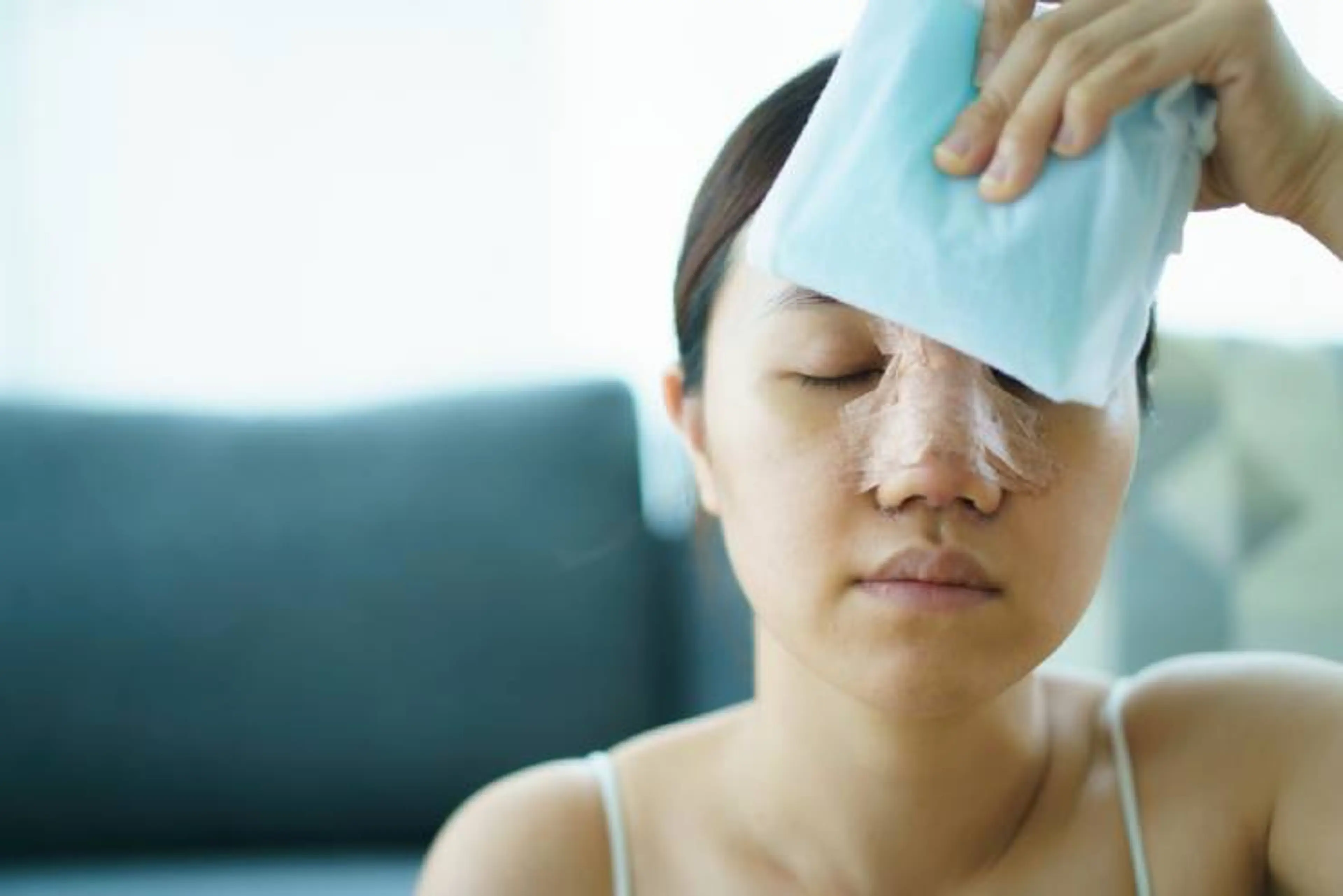
Undergoing nasal surgery — whether it's for cosmetic enhancement like rhinoplasty or medical reasons such as septoplasty — can be a life-changing experience. While the focus often lands on the procedure itself, understanding the recovery process is equally important for achieving the best possible results. At 1mm Plastic Surgery, we specialize in delivering precise, natural-looking outcomes with minimal downtime. However, the recovery period plays a crucial role in ensuring that the aesthetic enhancements or functional improvements you desire are achieved successfully.
In this guide, we’ll walk you through what you can expect during recovery after nasal surgery, providing insights into how you can support your healing process and return to your normal routine feeling confident and comfortable.
The First Few Days: Rest and Care Are Key
the-first-few-days:-rest-and-care-are-keyNasal surgery typically requires some downtime immediately following the procedure. While every patient’s recovery is unique, here’s what most people experience during the first few days after surgery.
Swelling and Bruising
Swelling is an inevitable part of the healing process, particularly around the nose and eyes. Bruising is also common and can extend to the cheeks. These side effects are temporary, though they can be quite visible during the first few days. The good news is that at 1mm Plastic Surgery, our advanced micro-incision techniques help minimize swelling and bruising, reducing the intensity and duration compared to traditional methods.
Nasal Packing or Splints
In many cases, nasal packing or splints will be placed to help support the new shape of your nose and stabilize the septum (if applicable). These will stay in place for a few days, typically 3-7 days, and may cause some discomfort or a feeling of nasal congestion. Don't worry—this is normal. Once they are removed, you'll start to feel much more comfortable, though you may still notice some residual swelling.
Discomfort and Pain Management
Most patients experience mild to moderate discomfort after nasal surgery, which can usually be managed with prescribed painkillers or over-the-counter medications. Our team at 1mm Plastic Surgery is committed to your comfort, and we’ll give you specific aftercare instructions to keep you at ease during the first few days of healing.
Rest and Staying Upright
Resting is critical in the immediate recovery phase. You will likely be advised to sleep with your head elevated to minimize swelling. It's also important to avoid strenuous activity, bending over, or any physical exertion during this time. These precautions allow the body to heal properly, reduce the risk of complications, and prevent unnecessary pressure on the nose.
The First Week: Gentle Care and Monitoring
the-first-week:-gentle-care-and-monitoring
During the first week post-surgery, you'll still be in the initial healing phase, but some key changes will start to happen.
Stitches and Follow-Up Appointment
If you had internal stitches, they might dissolve on their own, but some external stitches will be removed during a follow-up appointment. This is a great time to check in with your surgeon and discuss your progress. At 1mm Plastic Surgery, our team will ensure that you are healing as expected and answer any questions you may have about your recovery.
Reduction in Swelling and Bruising
After the first few days, you’ll start to notice the swelling and bruising begin to subside, although it may take some time for the full effect to become visible. Most bruising around the eyes and cheeks will fade within a week, but subtle swelling may linger for several weeks, especially if you had extensive surgery.
Nasal Congestion
Nasal congestion, which is common due to swelling, nasal packing, and general healing, will begin to improve. You may still experience some difficulty breathing through your nose during this time. However, once the packing or splints are removed and the internal swelling decreases, nasal airflow will improve dramatically.
Weeks Two to Four: Gradual Improvement
weeks-two-to-four:-gradual-improvementAs your body continues to heal, the major discomforts start to dissipate. By this time, you should begin feeling like yourself again, although full healing is still underway.
Continued Swelling
Swelling will still be noticeable, but it should be less intense than in the first week. You may see more of the shape of your new nose starting to emerge. However, keep in mind that residual swelling can linger for several months — especially on the tip of the nose — before the final contours are fully revealed.
Return to Normal Activities
At this point, you may be able to return to light activities, such as walking or driving. However, avoid intense physical activity or anything that could risk injury to the nose. For most patients, exercise can be safely resumed after about 3-4 weeks, but it’s important to follow your surgeon’s guidance on when to return to your normal routine.
Avoiding Sun Exposure
It’s important to protect your nose from the sun during this phase. Direct sunlight can increase swelling and affect your healing. Applying a sunscreen with a high SPF is a must when going outdoors, and wearing a wide-brimmed hat can also help protect your nose from UV damage.
The First Three to Six Months: Refining and Finalizing
the-first-three-to-six-months:-refining-and-finalizingWhile the initial swelling and bruising will have resolved by this point, your body is still undergoing internal healing. Full recovery from nasal surgery takes time, so patience is key.
Mild Swelling Continues
Swelling in the nose can persist, particularly around the nasal tip. Don’t be alarmed if it takes up to six months or even longer for the final results to appear. Subtle changes in your nose shape will continue as the internal tissues settle into place.
Post-Surgery Sensitivity
Some sensitivity may remain in the nose during this period. This is a normal part of the healing process, as the skin and tissues adjust to the surgical changes. It’s important not to poke or press on the nose during this time, as this could affect the healing process.
Follow-Up Appointments
Regular check-ins with your surgeon are essential during the recovery period. Dr. Eon Rok Do and the 1mm Plastic Surgery team will monitor your healing progress and provide ongoing care to ensure the final result meets your expectations.
Scarring and Healing
Although nasal surgery generally involves minimal scarring due to the advanced techniques used at 1mm Plastic Surgery, the incisions (if any) will continue to heal and fade over time. Most scars are very subtle and well-concealed in natural skin folds or along the nostrils. Patience is required, but the results are worth it.
Full Recovery: 6 to 12 Months
full-recovery:-6-to-12-months
It’s important to remember that full recovery from nasal surgery takes time. Most patients can expect to see the final outcome of their rhinoplasty or nasal procedure within 6 to 12 months, with the swelling and subtle changes settling into place. During this period, you’ll continue to notice a refined, natural-looking nose that enhances your facial harmony.
Tips for a Smooth Recovery
tips-for-a-smooth-recoveryFollow Aftercare Instructions: Adhering to the post-surgery instructions provided by your surgeon is critical for minimizing complications and promoting faster healing. This includes proper cleaning, using prescribed medications, and protecting the area from unnecessary trauma.
Avoid Smoking and Alcohol: Smoking can impede healing and increase the risk of complications, while alcohol can cause dehydration and affect swelling. Avoid both during the recovery process.
Stay Hydrated and Eat Healthily: A balanced diet, rich in vitamins and minerals, can support your healing. Drink plenty of water and focus on foods that promote collagen production to aid skin repair.
Final Thoughts: A Journey of Healing and Transformation
final-thoughts:-a-journey-of-healing-and-transformationRecovery after nasal surgery is a journey that requires patience, care, and commitment. The process is as much about physical healing as it is about the mental and emotional journey toward embracing a new, improved version of yourself.
At 1mm Plastic Surgery, we understand that the smallest adjustments — sometimes just a millimeter — can make a world of difference in your appearance and self-confidence. By following your recovery plan carefully and giving your body the time it needs to heal, you’ll soon be able to enjoy the beautiful, natural-looking results you’ve been anticipating.
Remember, the process is gradual, but the rewards are long-lasting. If you’re considering nasal surgery, we recommend a personalized consultation to discuss your goals and ensure that your recovery process is smooth and successful. Our team at 1mm Plastic Surgery is here to guide you every step of the way.